
“Do you have plans on discussing how to deal with imposter syndrome at any point? This is something I dealt with at times, as well as some other first gen peers of mine!“
Says Haley Miller, Science Educator at Discovery Space of Central Pennsylvania.
Thanks for the input, Haley! We love taking topics from our dedicated readers to personalize our content for what you want to read about. Are the following quotes familiar to anyone?
“You’ll get over it!” “Think happy thoughts!” “Just be positive!”
While we aren’t denying the positive impact of optimistic thinking, the refusal to admit or even acknowledge the negative aspects of a situation can prove harmful, especially to college students. Schoolwork, employment, social pressures, and a myriad of other factors weigh us down, and ignoring the fact that we can experience sadness and frustration as well as joy and gratitude is inherently toxic. In fact, it’s toxic positivity.

What is toxic positivity?
Dr. Konstantin Lukin of Psychology Today defines toxic positivity as: keeping positive, and keeping positive only, [believed to be] the right way to live your life. It means only focusing on positive things and rejecting anything that may trigger negative emotions.
How does that relate to the imposter syndrome? What even is it? We sat down with Susquehanna University’s Cheryl Stumpf, a therapist at the campus’ counseling center, to discuss further. Stumpf, speaking as a therapist, mother of two college kids, and first-gen herself, had this to say:
Imposter syndrome is that feeling like I am portraying someone who knows what they are doing and who they are, when in reality I feel incompetent and afraid of being found out to be a fraud.
Cheryl Stumpf, MS, NCC, LPC
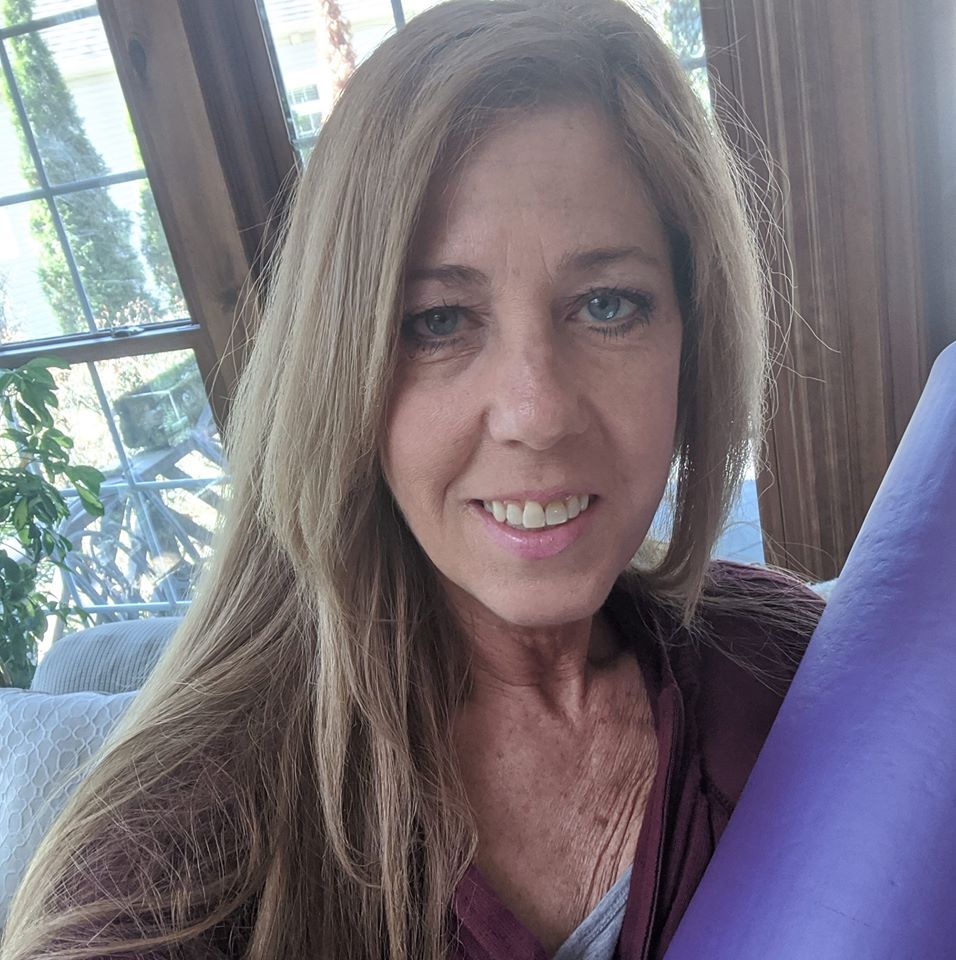
She went on to describe her own college experience, relating details of the tension between herself and some at home who did not have the same education, and the intense pressure to succeed well and beyond expectations. It’s a common story among first gens, and one I’m all too familiar with. There’s even been research done into how our family lives relate to our college performances, as was conducted by Chessie Stiztel. Chessie, a first-gen psychology major at Westminster College collected the data for her senior project.
In wake of pushing yourself to go where ‘no one’s gone before’, the pressure on how ‘good’ you are/do is immense, and makes every ‘failure’ feel like a reminder that ‘you don’t belong’. This speaks to what other readers, like Amber, have pointed out to us.
I’m not a first gen student, but I didn’t take the traditional route, and I think for all students, either those going to school full time, or those going to school part time like I do, need realistic expectations of the work load and resources on how to manage the stress that comes with college coursework.
Amber Murphy, Enrollment Benefits Specialist at Health Advocate
how to prove to yourself you’re not an imposter
The takeaway here is that this issue, like many we discuss here, are not solely the concerns of first-gen students, but of many who believe they are the only ones with the question. Speaking personally, high school and college feel like two totally different animals. High school is like a multiple choice test, where you have to study to know which answer is right, but you know at least one of them is. College, on the other hand, is like a series of short answer essay questions, where you’d best know what you’re talking about before test day.
That’s not to scare readers away from college, but to give them an honest outlook: if you didn’t study hard in high school, college will be the time you do. That adjustment period in those first few weeks may be more difficult because of it, but don’t lose faith. The point of college is to challenge yourself, while also knowing your limitations. As one reader asked us:
I would like to know more about…when to quit something.…what is the best way to tell myself “Hey, this is too much for you. Can you please do the right thing and drop something that may not be healthy for you to continue?”
Jena Lui, Susquehanna University Class of 2023
The balance between challenging and punishing yourself can be difficult to find. Cheryl differentiates testing versus overextending limits, advising:
“Does [quitting] say I’m irresponsible? No, quite the contrary. It’s a win-win. If I’ve overextended myself and failed, I’m failing the task, other people, and looking like I’m lazy or unmotivated. Having the maturity to know when you’re stretched to thin, and letting others know, is a sign of growth and strength. You’re testing limits when you are accomplishing new things with new skills you’re developing, and overextending when you sacrifice so much you know longer enjoy what you do or have time to rest from activity. That’s when you burnout.“
Life experiences that have led students to finally make it to college may also be the thing that leads to them feeling inadequate.This affects several groups of students, especially first gen and students of color. As Cheryl points out and I’ve seen proven as a Residence Life staff member, the first year on campus is critical in identity development as one moves out of adolescence and into a more independent adult, maybe even for the first long-term period of time away from home.
Reframe your ‘failures’ into steps. From one point of view, Thomas Edison failed 99 times before getting it right. From another, he discovered electricity in 100 steps. For those going through college, no matter how many ‘steps’ it takes, know they’re all in your journey toward graduation.
Let us know in the comments section: Do you feel “out of place” at times on campus? What are ways you overcome these thoughts?
If you find us helpful and interesting, please like and share!

 firstgenclass.school.blog