
Emotional burnout. What is it?
College senior and ardent student activist Chris Carvell, sees it as
“The point in time when your ability to fulfill one or more of your responsibilities becomes hindered by the stress you feel from those responsibilities and other outside forces.”
Chris Carvell

Emotional burnout, or fatigue, is common in activists and a buzz word in the current news cycle. Collegians participating in peaceful protest after protest and can be emotionally and mentally worn down over time. As we brace for the back-to-school rush during a heated election year, I spoke with activists from the college setting on how best to beat emotional burnout.
Alexandra Delgado, a Bloomsburg University student, advises, “…to handle emotional fatigue i’d say every night turn off your phone for an hour before bed and decompress! it’s important to keep your mental health at the front lines as well! during the protest it’s important to post things and capture injustices happening but if you can don’t be on your phone and be fully indulged in the protest. then if you feel you can’t handle anymore and want to leave you went and were present and active which is important!”
Keeping in line with it being election year, she also pushes for young people to vote so your voice can be heard in the streets and in the polls! Instead of trying to arrange a protest at least once a month or host events, you can donate towards the movement.
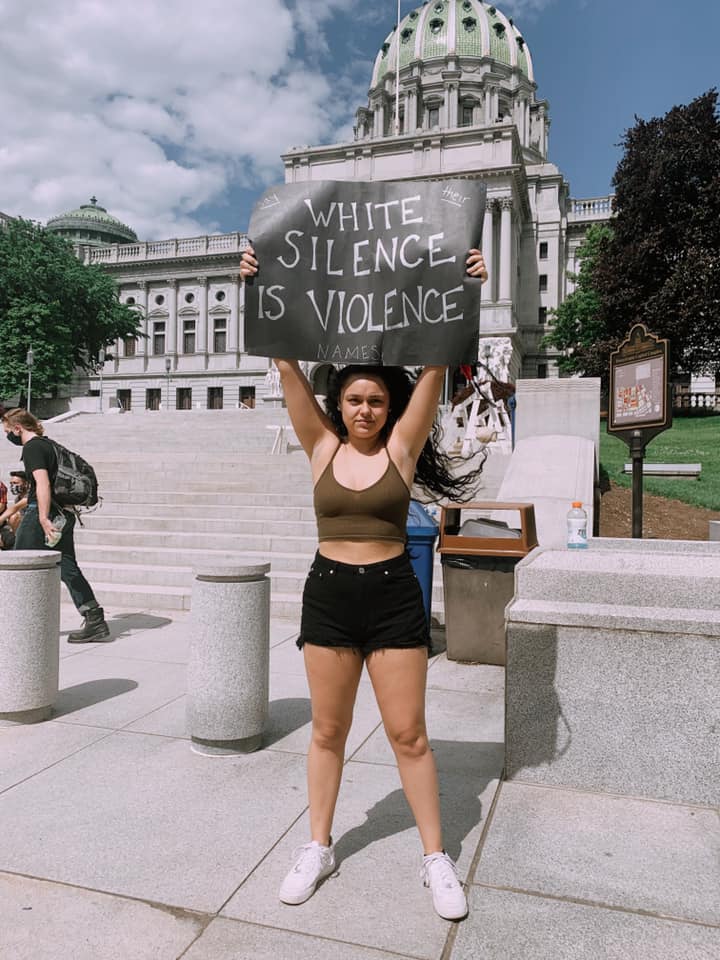
Carvell builds off this, emphasizing the most important step in combatting emotional burnout as recognizing when you’ve reached that point. He recognizes people are hesitant to admit that they’ve reached a point where a break is needed – especially if it seems like other people are handling more. If you recognize and acknowledge the emotional burnout, sometimes something as simple as a Netflix movie can help rejuvenate you – other people need time alone or to spend time with friends.
Preventing it is the best way to combat it..
Recognizing when you’ve taken on too much or recognizing when you’re reaching your limit and having the ability to say no to things is important. If you know your limits and step back from something to take time, you’ll be so much better off So how do colleges as institutions step in?
Campuses do have resources and clubs that focus on the mental health of its students. The counseling center can be really helpful for talking through those feelings and places like an academic success center or a career development center can help offer resources to aid in better time management, recognizing stressors, and so much more.
In most cases, professors will understand and help you through it or allow you to take that much-needed time to take a step back and breathe. If your stress comes from other sources, a diversity center can help find other people in your sub communities to make friends and form a support network, especially within this political climate.
Director of Bands and Associate Professor of Music at Susquehanna, Eric Hinton, talks about the powerful work that can be done with the added perspectives of faculty and staff of color.
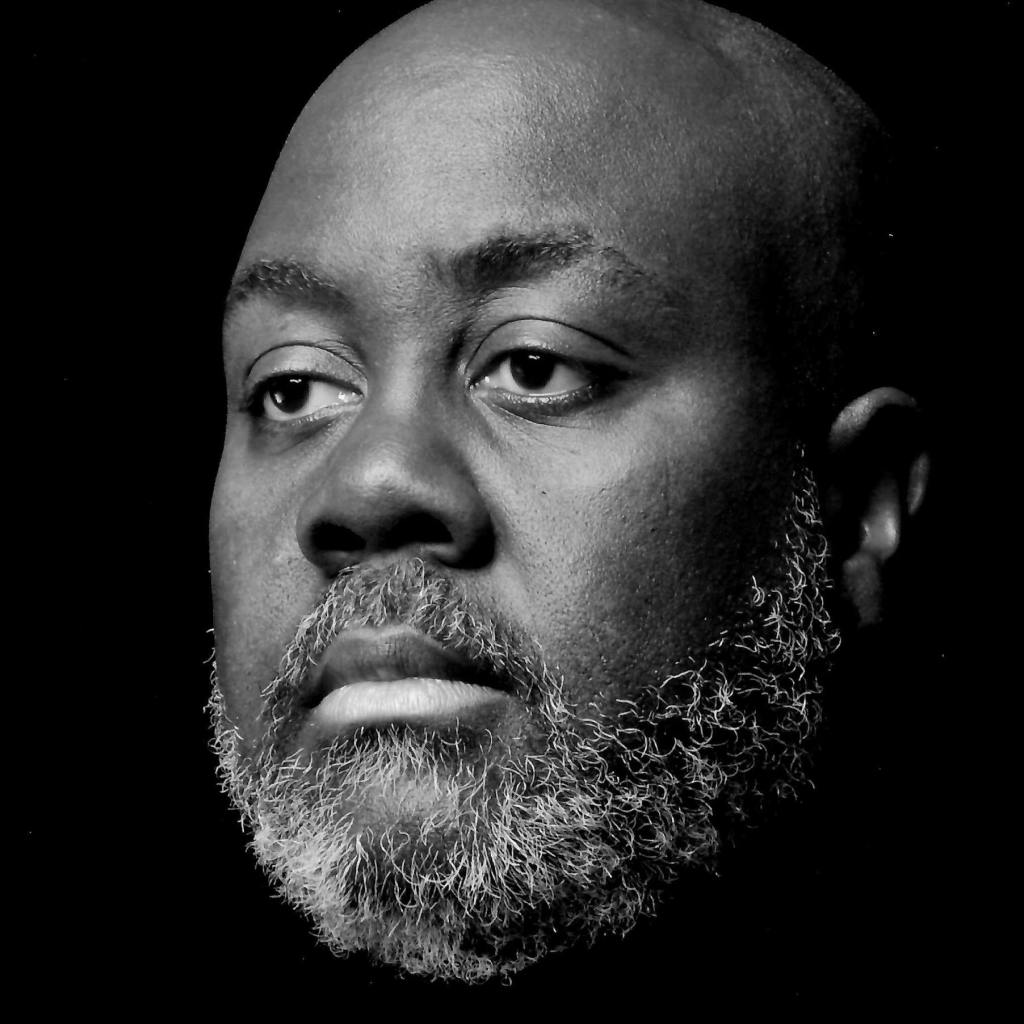
“For me, I think it’s important to stay positive and to stay constructive in whatever you do. Channel your energy into good work. On the flip side, make sure that you carve out time for yourself, real downtime that you use to decompress – quiet time. You need time away from allies who, as well meaning as they may be, can be very exhausting. For first-year students, I think it would be important for them to find community at this place, supportive friends who share their struggle and can provide support and comfort.”
Dr. Eric Hinton
Dr. Hinton adds, “…I think it’s important for students of color to communicate with faculty, staff and administrations when there are racial issues on campus. Communication is key. The Faculty and Staff of Color Group can be very effective. You’ve also seen the power of peaceful, well-organized protest. There’s nothing wrong with that as long as it’s done the right way…with a professional approach and with good organization.”
In summary, we all get burned out from time to time, but especially our activist friends. Alexandra states: “…you cannot change peoples minds but doing exactly what they think is wrong. I’ve personally just started ignoring people who disagree and a day later have gotten messages of them apologizing and understanding because they just needed to think without it being an argument.”
Our activist students and professors often work tirelessly to save so many people’s lives. Remember that it’s okay to save only one life, and it’s okay it that is your own. Keep a healthy state of mind out there, stay safe, and continue to practice what you preach.

 firstgenclass.school.blog